Smithsonian Institution
Paleobiology Laboratory National Museum of Natural History
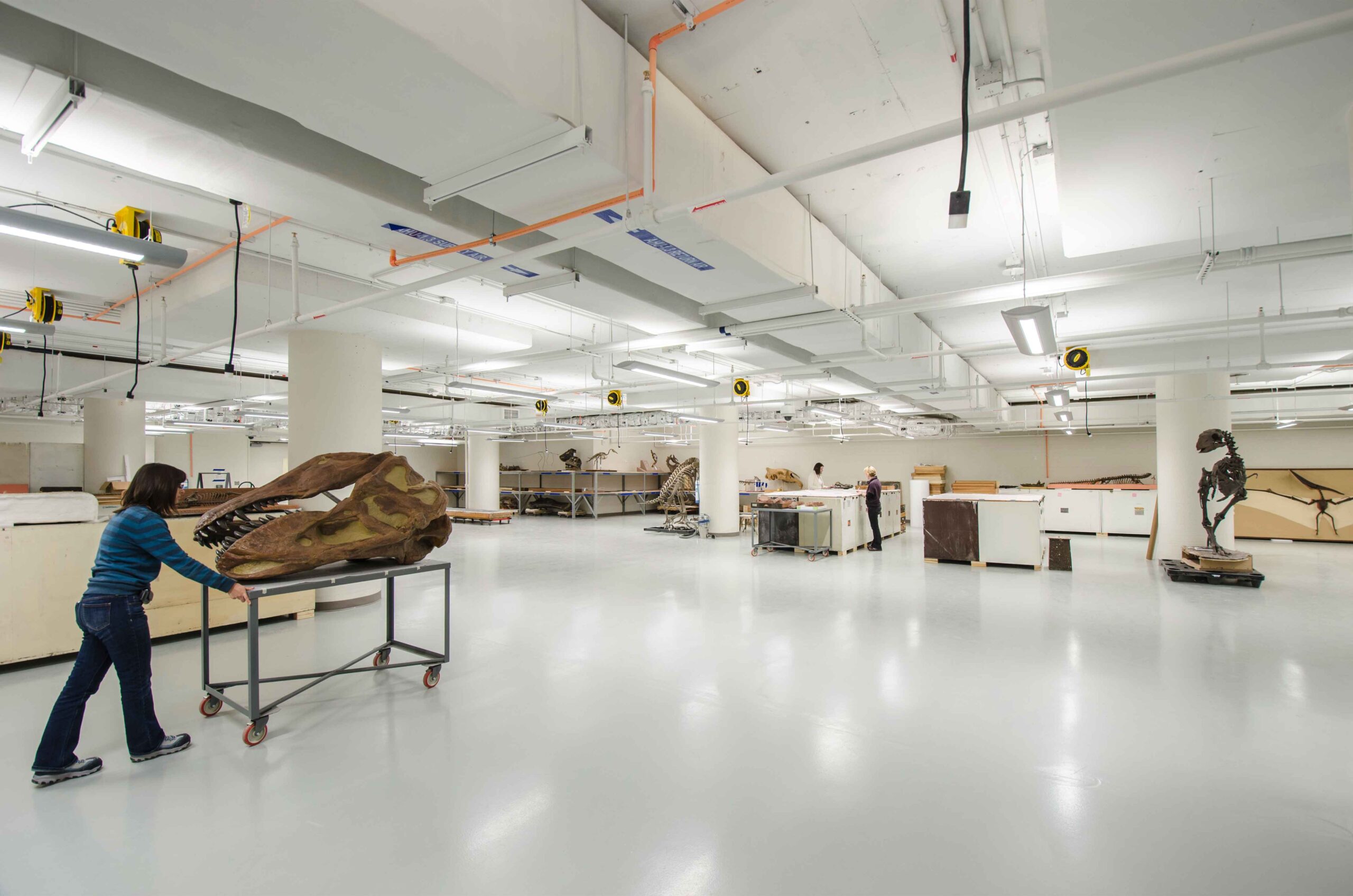
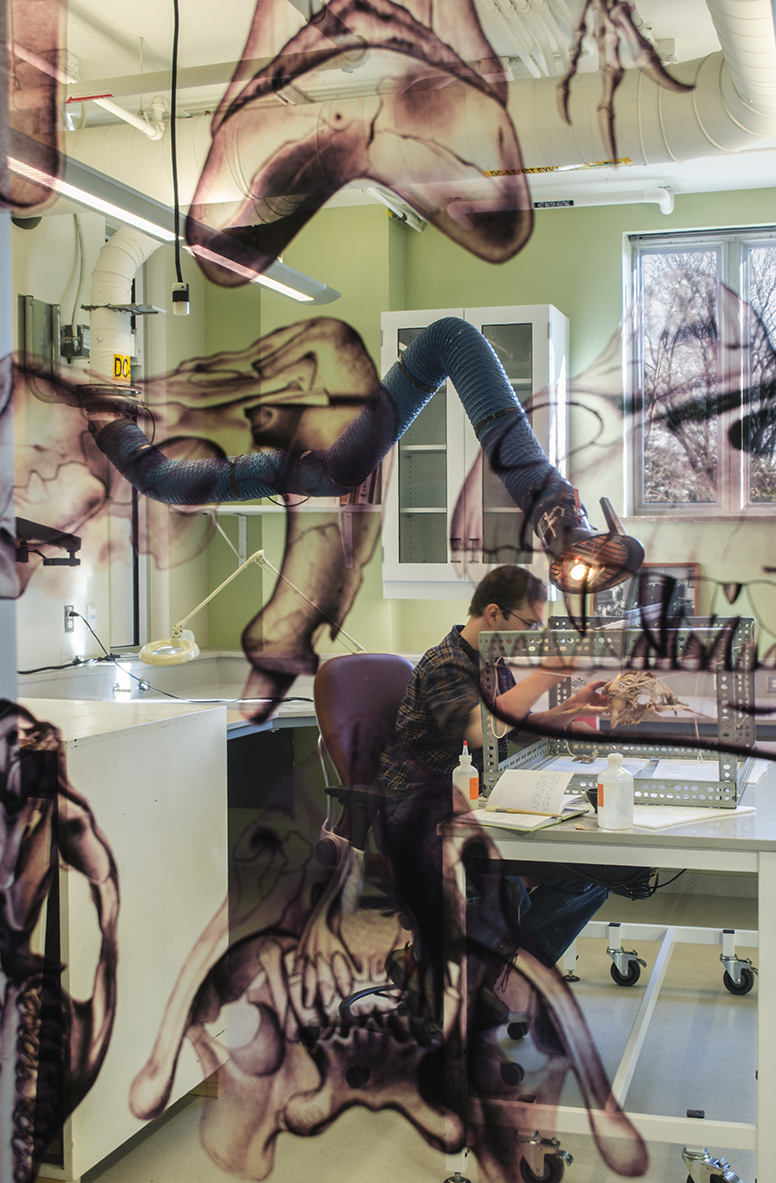
The Paleobiology Department at the Smithsonian Institution’s National Museum of Natural History is one of the world’s leading centers for the study of life on Earth across “deep time”—hundreds of millions of years of biological history preserved in fossil records. While the Museum’s public galleries showcase iconic specimens, much of the scientific work occurs behind the scenes in laboratories, preparation areas, workshops, and collections spaces.
To support this critical research, the Smithsonian undertook a renovation of approximately 30,000 square feet of laboratory, shop, and workspace located on the ground floor and basement of the Museum’s East Wing—spaces essential to specimen preparation, analysis, casting, and collections management.
Modernizing Laboratories Within an Active Museum
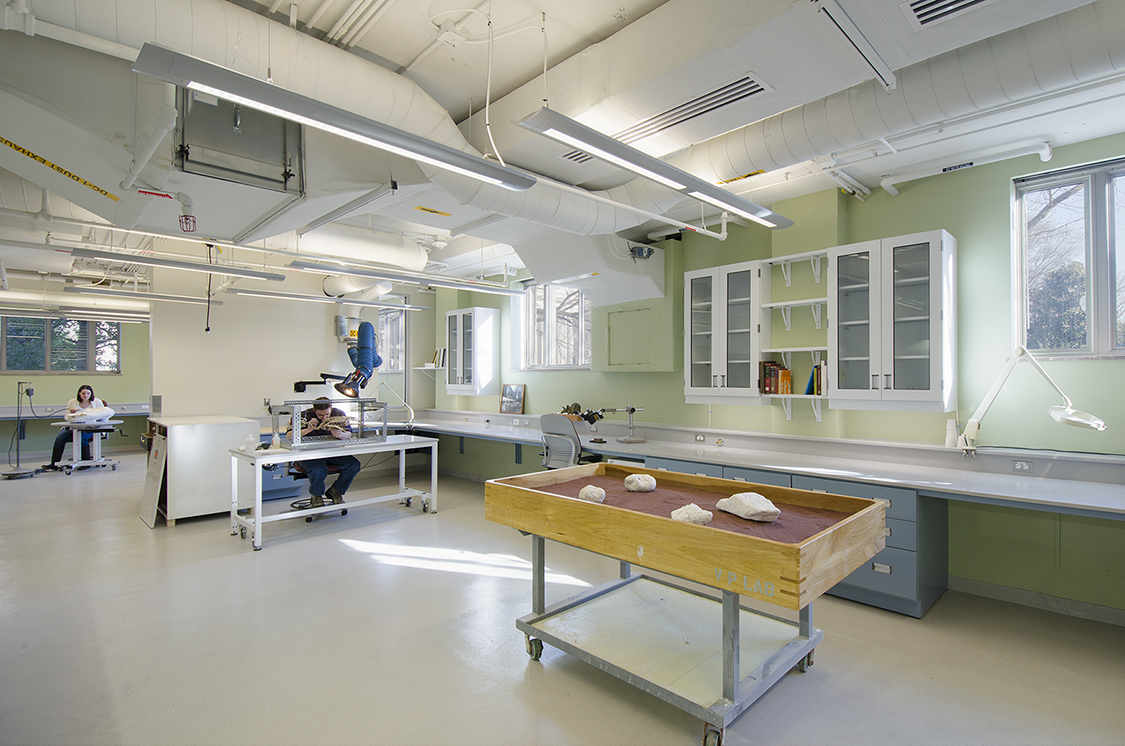
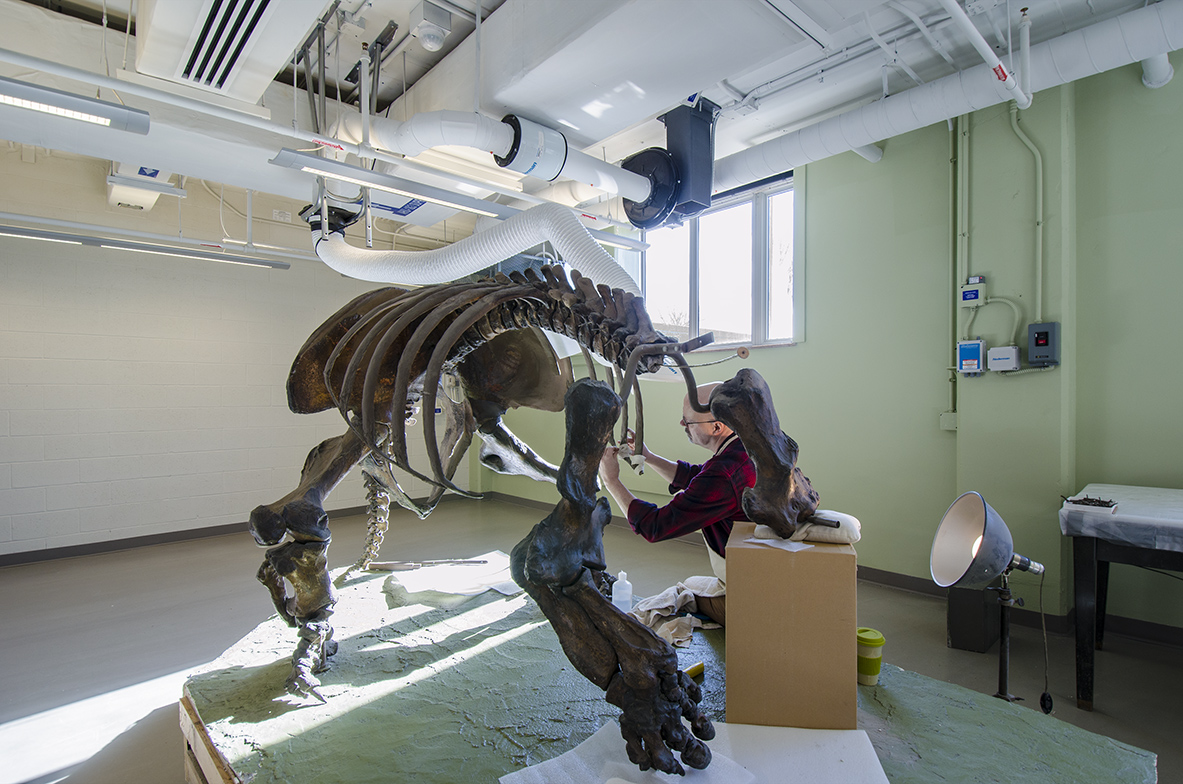
Designed by Quinn Evans, the renovation addressed outdated infrastructure that no longer met the needs of modern scientific work. The affected spaces—including specimen and fossil work areas, collections storage, a casting room, an acid bath laboratory, and a welding shop—required reliable ventilation, balanced airflow, and stable environmental conditions to protect both researchers and irreplaceable specimens.
Complicating the effort, these laboratories are located on the lowest levels of a six-story wing, farthest from the building’s air-handling equipment, and the Museum remained fully operational throughout construction. The project also supported upcoming renovations to the Museum’s dinosaur halls, with the laboratories serving as critical staging and conservation spaces.
Engineering Solutions Driven by Efficiency, Not Added Power
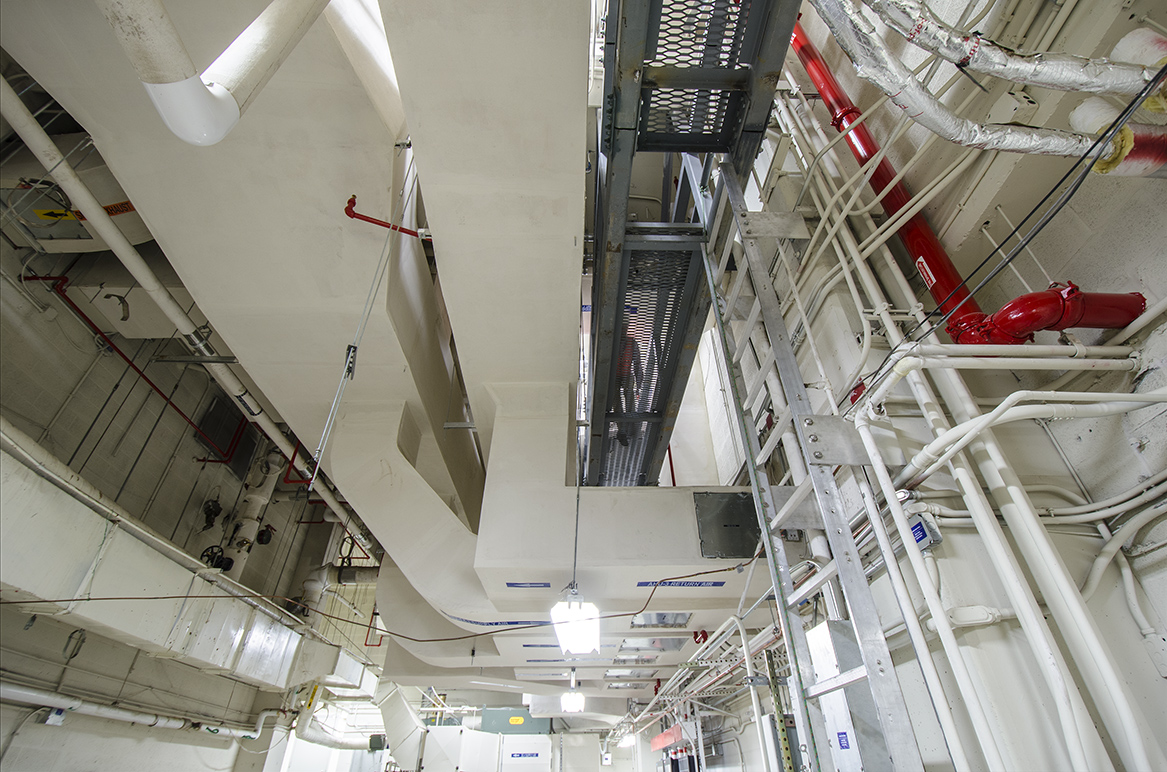
Mueller Associates provided mechanical, electrical, and plumbing engineering services for the renovation. Early testing revealed that the existing HVAC systems lacked sufficient airflow capacity and static pressure to support the new laboratory uses, due largely to inefficient ductwork and the absence of proper return-air pathways on the ground floor.
Rather than increasing fan power—a conventional but energy-intensive solution—Mueller proposed a more efficient strategy. Portions of the supply-air duct systems were replaced with optimized designs that significantly reduced pressure losses, increasing air delivery capacity without increasing the input power to the air-handling units. Additional return-air ductwork and transfer air fans were introduced to properly balance airflow throughout the space.
Precision Controls for Dynamic Research Environments
The renovated laboratories support constantly changing conditions, including variable exhaust from fume hoods, acid baths, welding operations, and dust-producing equipment. To address this complexity, Mueller developed a control strategy that continuously monitors supply and exhaust airflows and automatically adjusts transfer fan operation to maintain neutral pressure in the laboratories.
These real-time adjustments ensure safe working conditions for researchers, stable environments for collections, and reliable system performance—all while minimizing energy use and operational costs.
Quiet Infrastructure Enabling Discovery
Completed while the Museum remained open to the public, the renovation delivered a modern, resilient research environment that supports both day-to-day scientific work and major exhibition initiatives. By improving ventilation, environmental stability, and system efficiency without intrusive interventions, Mueller’s engineering solutions quietly enable discovery—helping Smithsonian scientists prepare, study, and preserve the specimens that tell Earth’s story to millions of visitors.
Consulting Services
- HVAC Systems
- Electrical Power
- Plumbing Systems
- Life Cycle Cost Analyses
- Revit®
- Value Engineering
Architect
Quinn Evans
Client History
-
2028
National Air and Space Museum Udvar-Hazy Center Expansion
-
2027
Hirshhorn Museum and Sculpture Garden Revitalization
Related Projects
Connect With Us

Gain Momentum
Our industry newsletter, Momentum, highlights projects, clients, and MEP and fire protection engineering trends