Maryland-National Capital Park and Planning Commission
Josiah Henson Park Museum and Education Center

Josiah Henson Park is located on a portion of the former plantation of Isaac Riley, where Josiah Henson was enslaved from 1795 to 1830. After escaping to Canada, Henson became a prominent abolitionist, author, and Underground Railroad conductor whose 1849 autobiography is widely believed to have influenced Harriet Beecher Stowe’s 1852 novel, Uncle Tom’s Cabin.
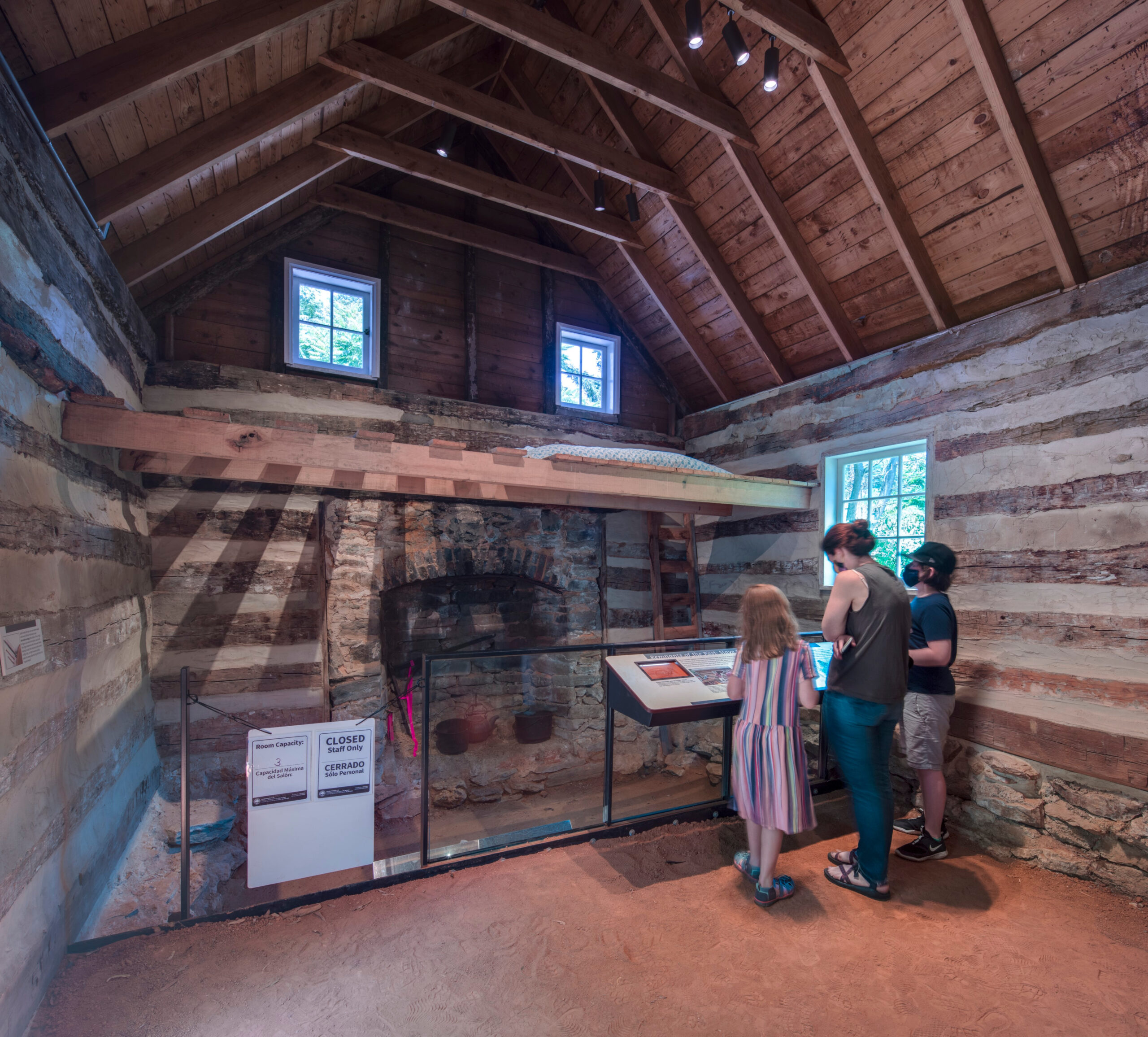
Today, the 1.43-acre park is part of the National Park Service’s National Underground Railroad Network to Freedom and is listed on the National Register of Historic Places. The site includes the historic Riley–Bolten House, an early-19th-century wood-frame dwelling, and an attached mid-19th-century log kitchen—both preserved as primary artifacts in a public house museum.
Adaptive Reuse and a New Visitor Experience
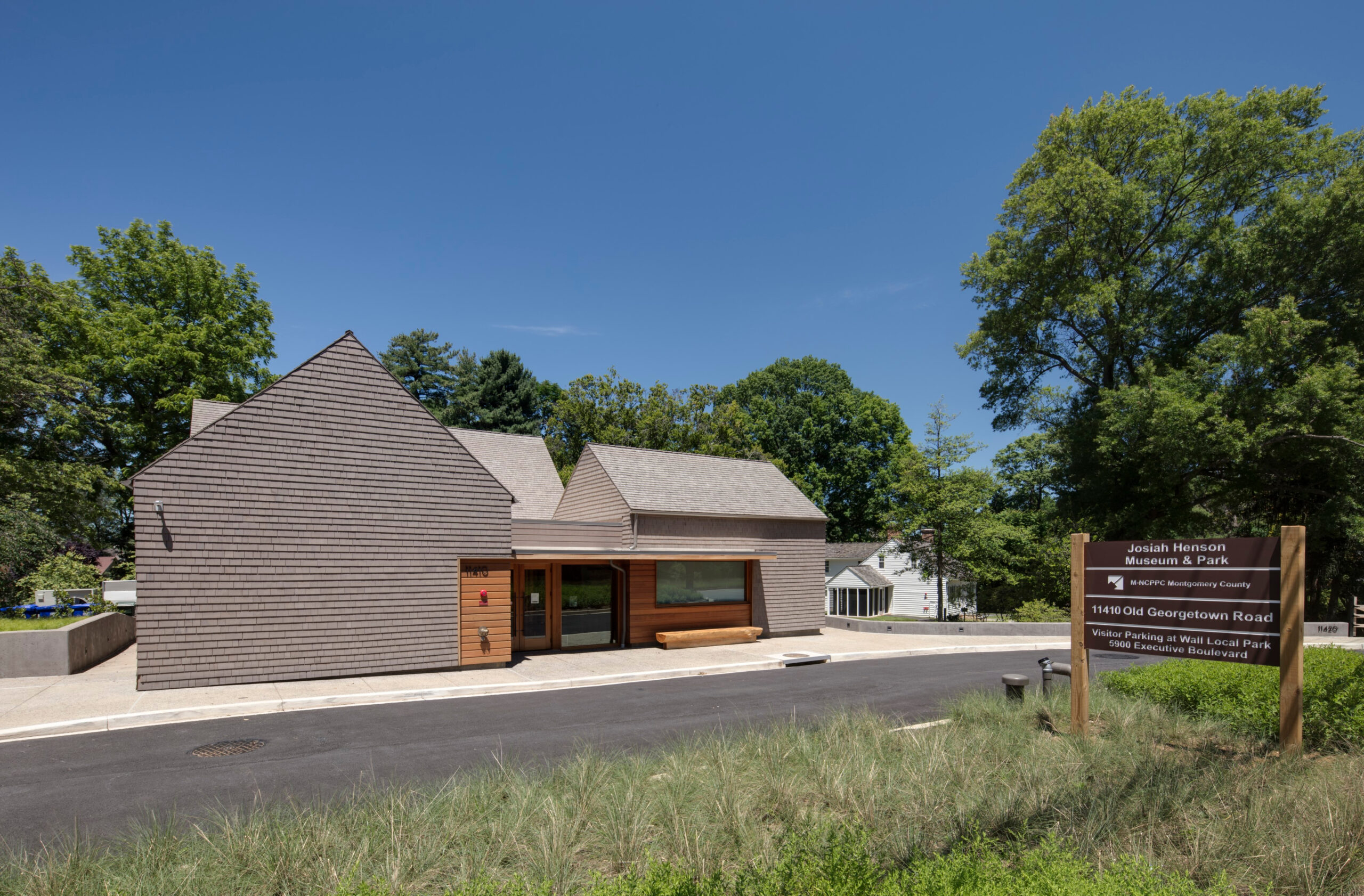
To support interpretation, education, and public access, the project included the careful restoration and adaptive reuse of the historic house and log kitchen, along with the construction of a new visitor and education center. Designed by Ziger|Snead Architects, the new facility provides a respectful, deferential introduction to the site, featuring a media-rich orientation space, an auditorium, a gift shop, and visitor amenities.
The park and museum are designed to accommodate school groups, community programs, and public tours, while ongoing archaeological investigations continue to deepen understanding of the site. More than 30,000 artifacts have already been recovered, underscoring the importance of treating the landscape and buildings themselves as part of the interpretive experience.
Engineering for Preservation Within Historic Fabric
Mueller Associates provided complete mechanical, electrical, and plumbing engineering services for the project, supporting the preservation and conversion of the historic structures into a climate-controlled museum environment. Mueller’s work focused on delivering modern performance standards while minimizing visual and physical interventions that could compromise the historic integrity of the buildings.
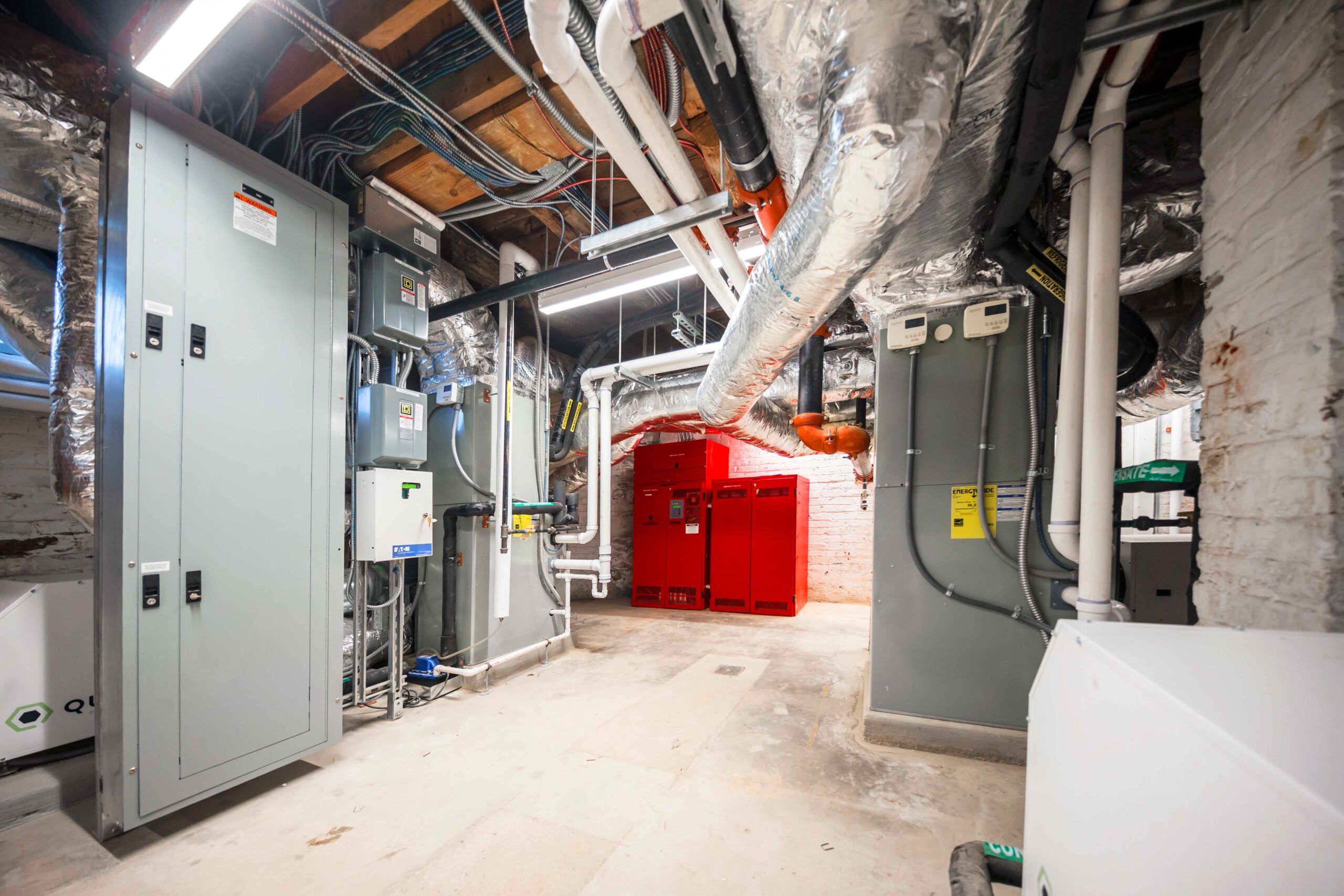
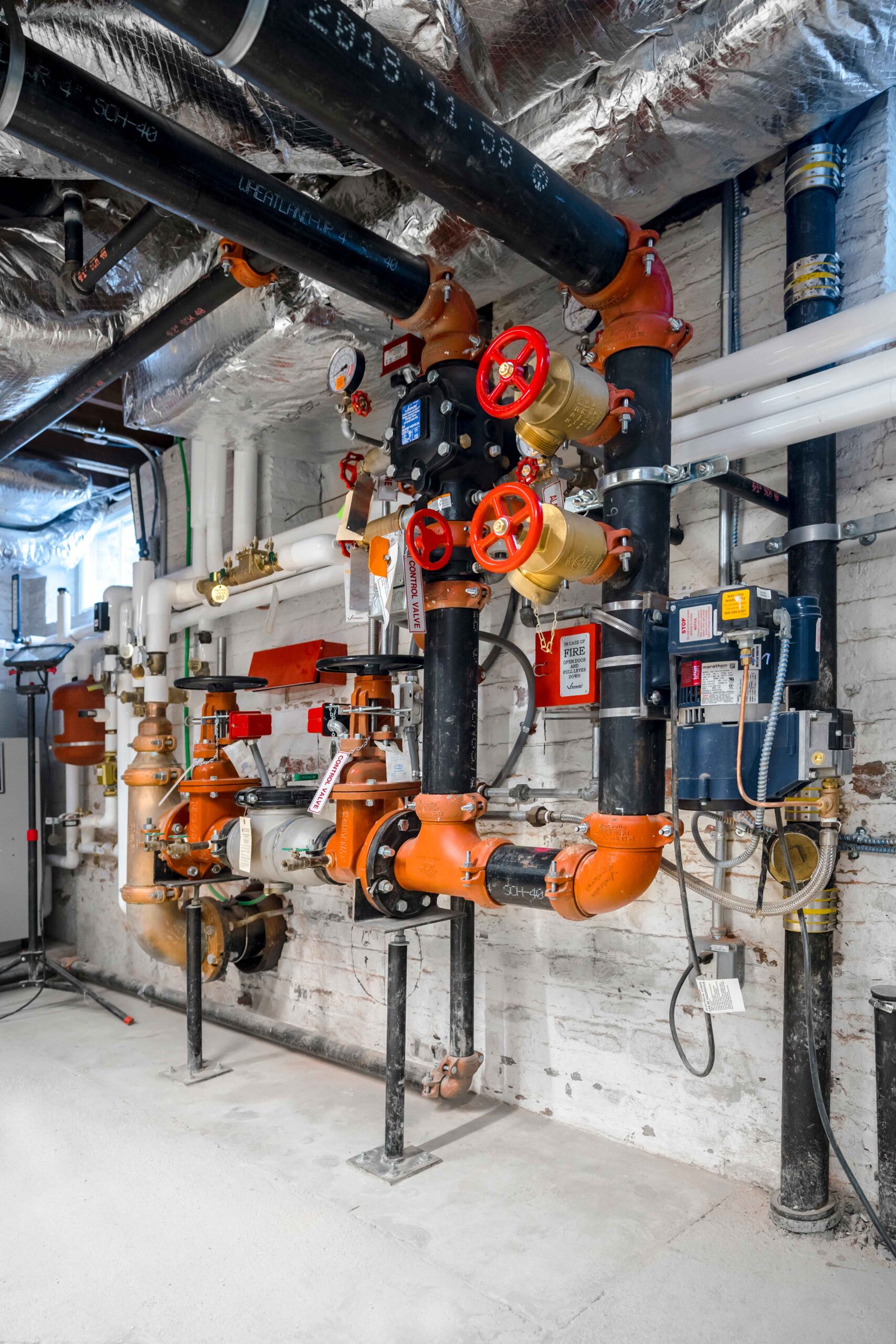
To mitigate the impact of new systems, Mueller converted an unused basement into a concealed mechanical room, housing equipment out of public view while maintaining maintenance access. As construction progressed and hidden conditions emerged, the engineering team adapted system layouts in close coordination with the architect, responding to the realities of a historic structure in which the building itself is a primary artifact.
Quiet Systems Supporting Powerful Stories
Across the site, Mueller’s engineering solutions quietly support environmental control, visitor comfort, and operational reliability—allowing the museum’s exhibits and narratives to remain the focus. By balancing preservation priorities with contemporary museum requirements, the project demonstrates how thoughtful engineering can help bring difficult and essential histories into public view.
Today, the Josiah Henson Park Museum and Education Center stands as a place of learning, reflection, and remembrance—preserving the legacy of Josiah Henson while creating space for dialogue about enslavement, resistance, and freedom.
Read more about Mueller’s work on the Josiah Henson Park Museum and Education Center in our newsletter, Momentum.
Consulting Services
- HVAC Systems
- Electrical Power
- Plumbing Systems
- Historic Preservation
- Lighting Design
- Revit®
- Sustainable Design
- Value Engineering
Architect
Ziger | Snead

"The new Josiah Henson Museum is a well designed addition to the park. It’s a contemporary take on residential forms that is respectful of existing structures…The new visitor center transforms the guest experience and serves as a model to the importance of providing access to cultural resources associated with enslavement and the enslaved experience.”AIA Baltimore Awards Jury
Related Projects


Connect With Us

Gain Momentum
Our industry newsletter, Momentum, highlights projects, clients, and MEP and fire protection engineering trends