Thomas Jefferson Visitor Center
Thomas Jefferson Visitor Center at Monticello
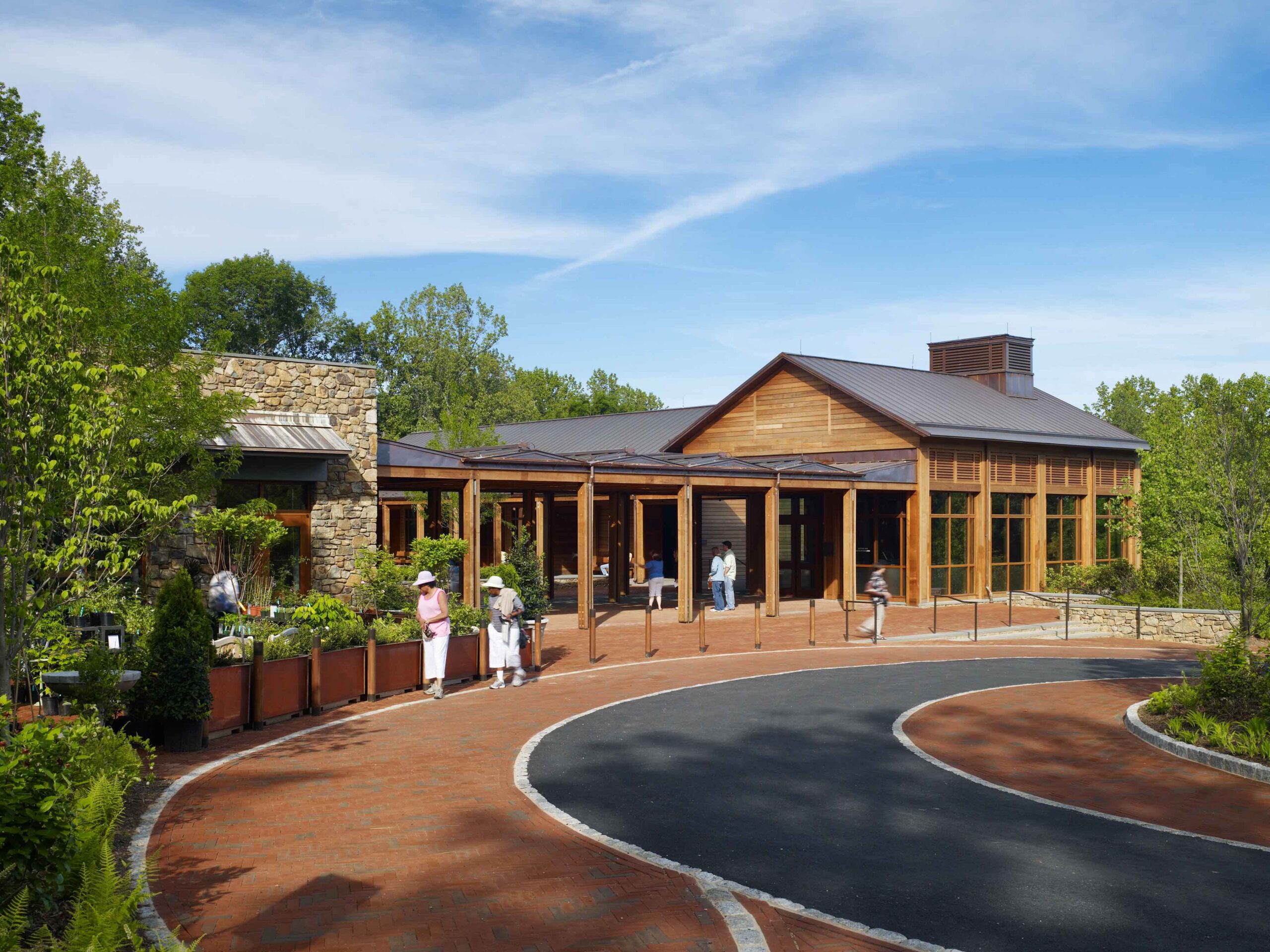
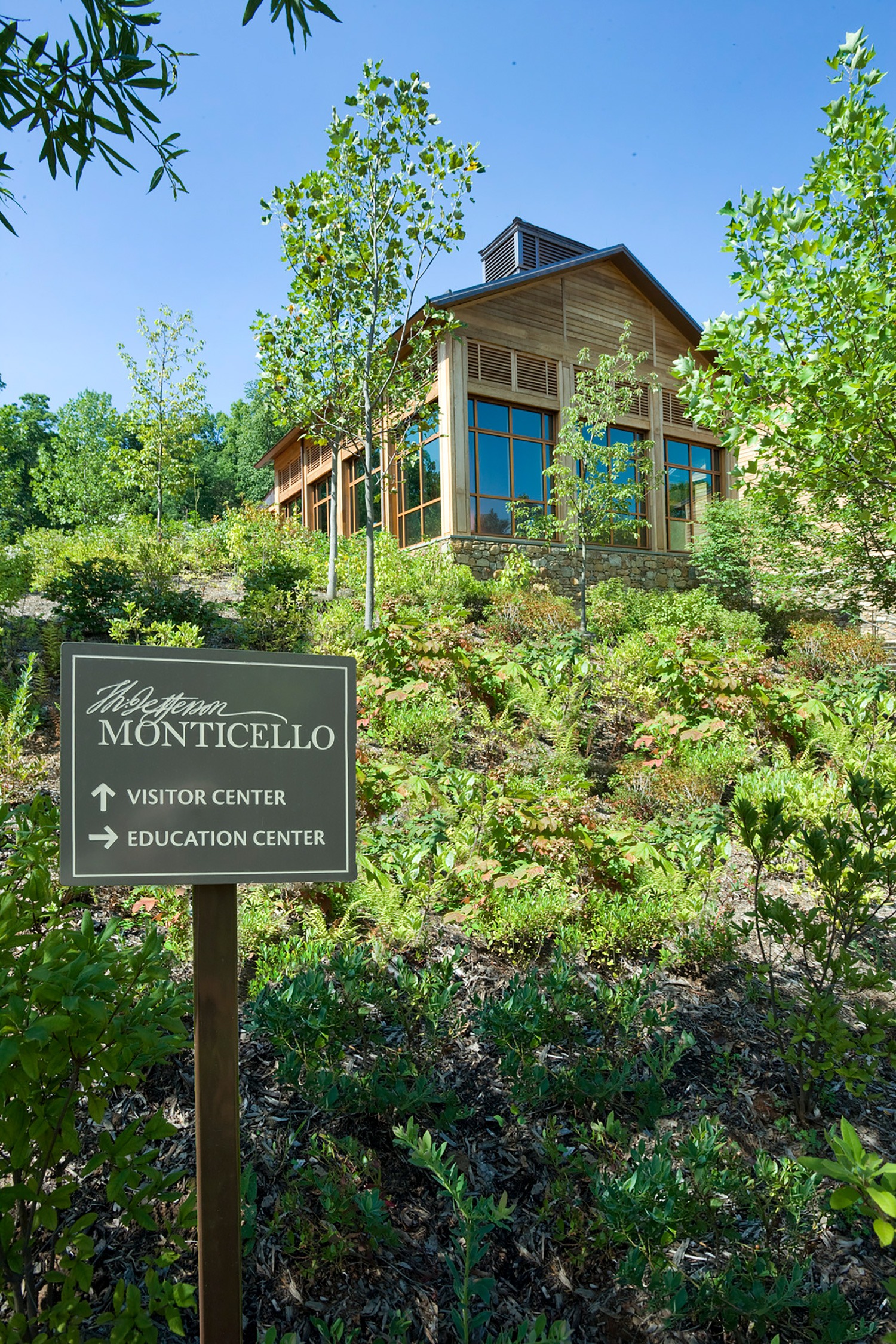
Located at the base of Monticello near Charlottesville, Virginia, the Thomas Jefferson Visitor Center serves as the primary arrival point for more than 450,000 annual visitors to one of the nation’s most significant historical sites. The Thomas Jefferson Foundation envisioned the center as an educational and inspiring gateway—one that would orient visitors while minimizing visual and environmental impact on Thomas Jefferson’s mountaintop home, a designated UNESCO World Heritage Site.
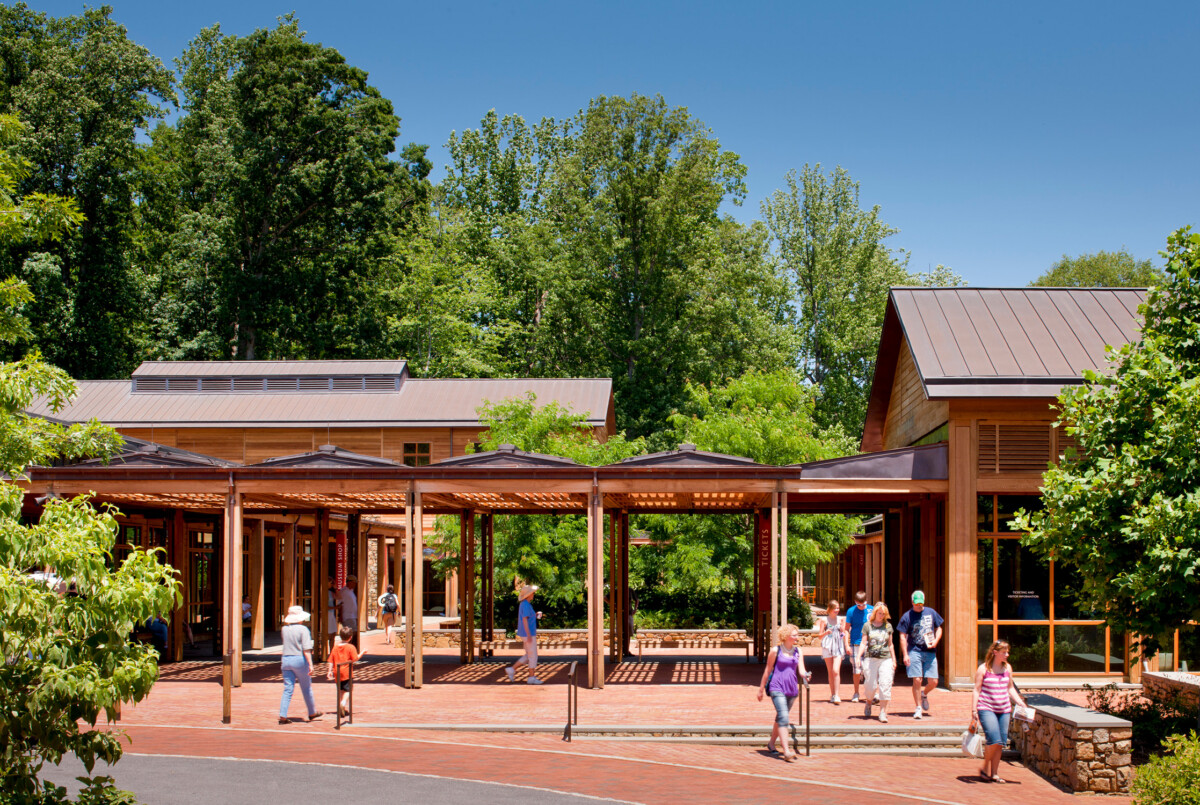
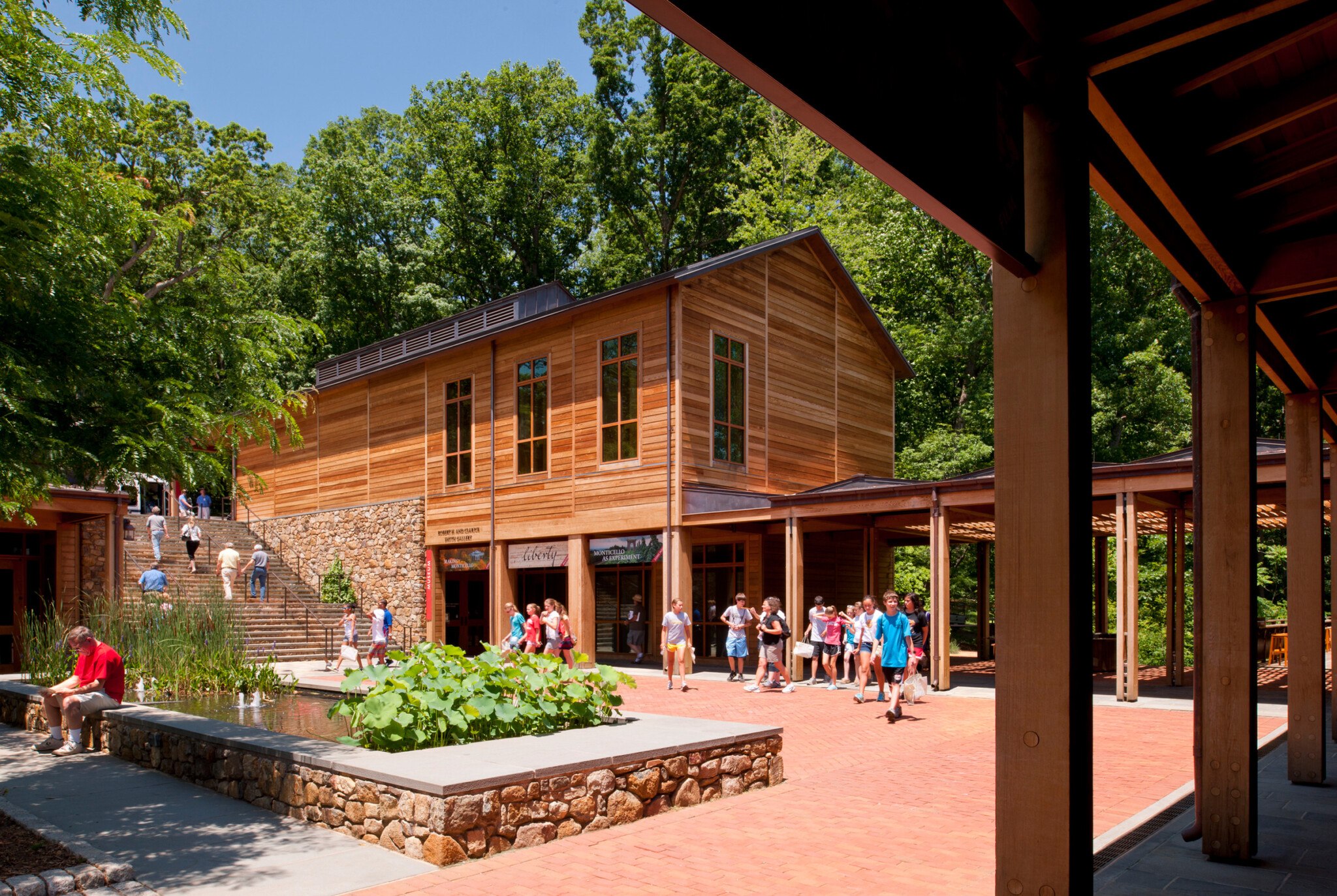
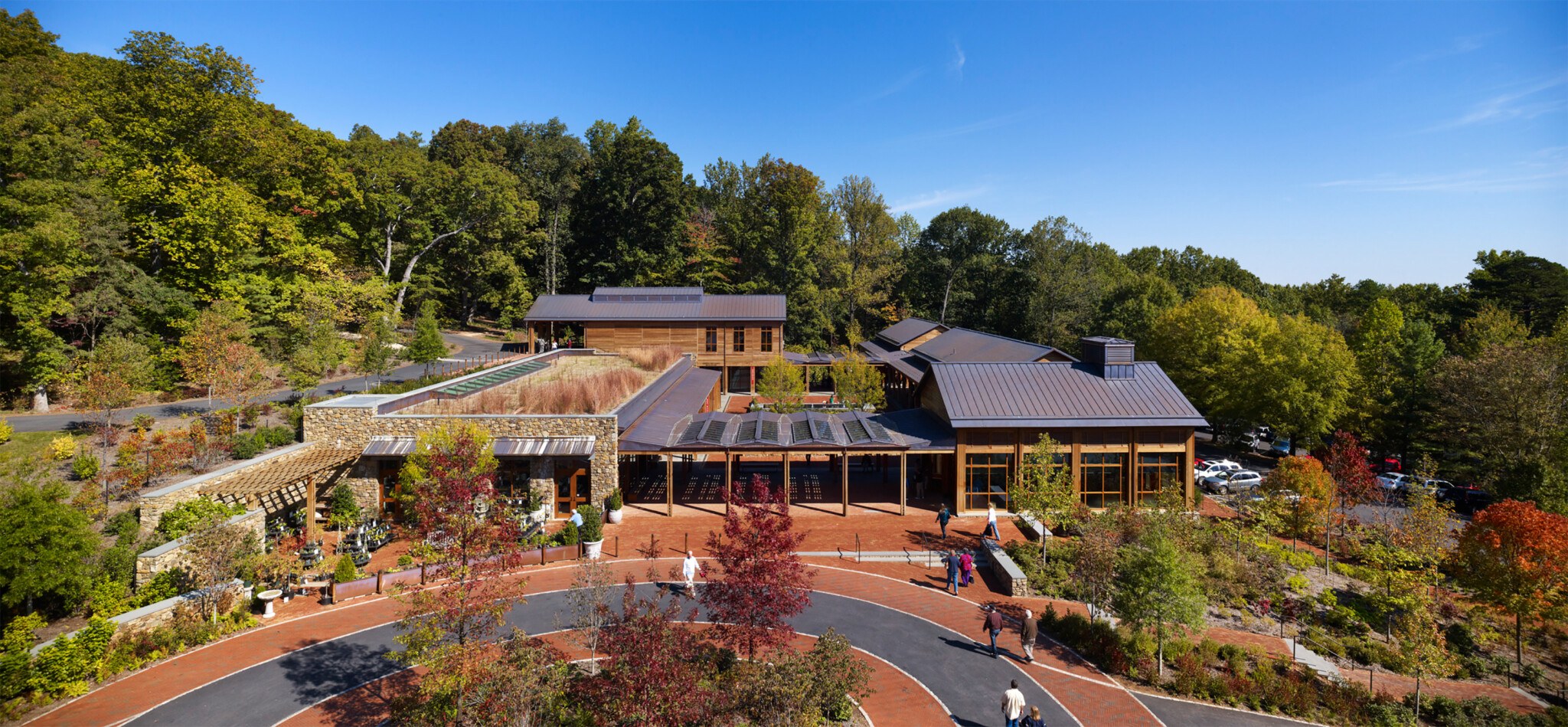
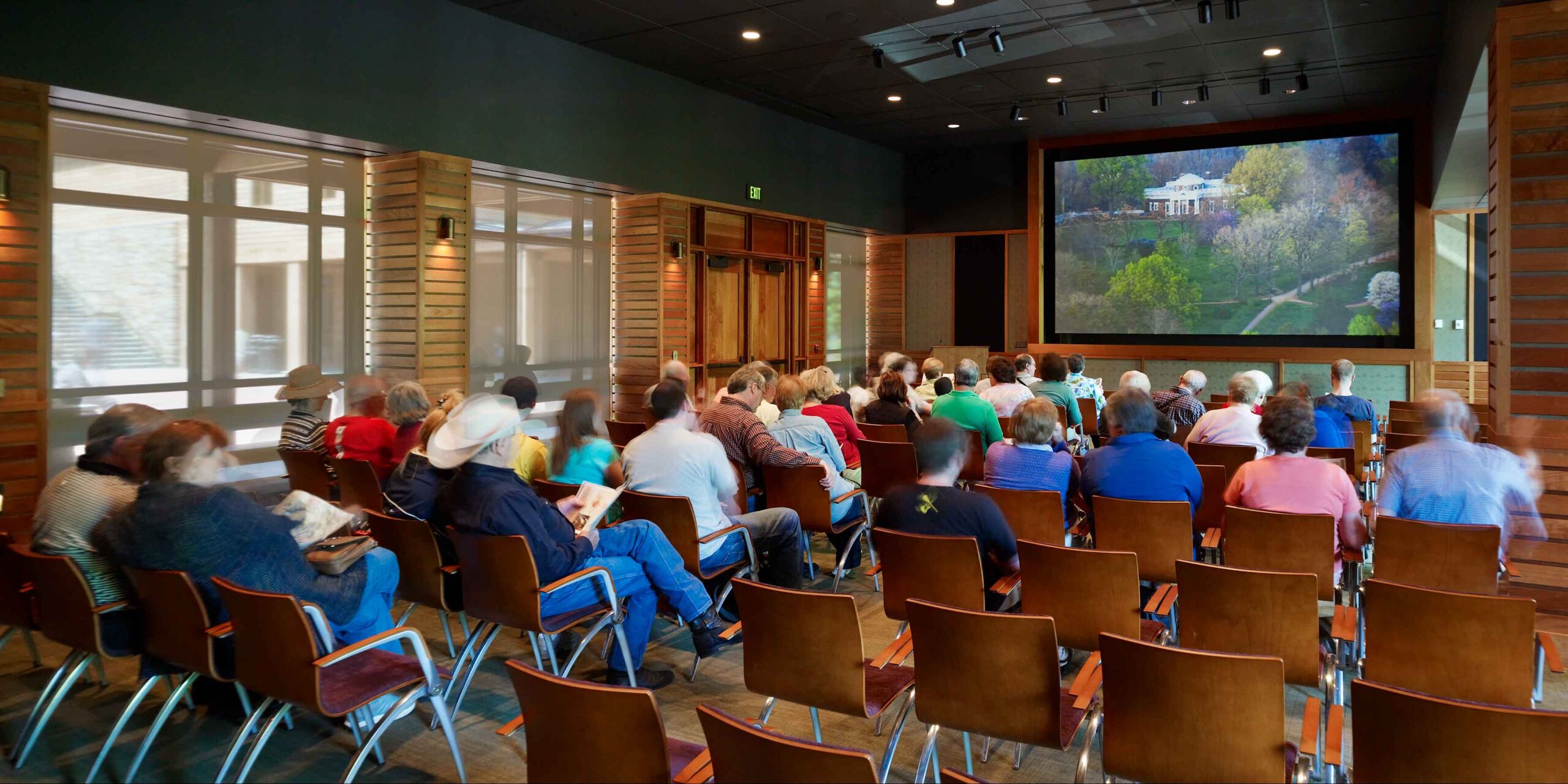
The 42,000-square-foot complex comprises five interconnected pavilions, organized around a landscaped central courtyard and embedded into the site’s natural slope. The three-level facility houses permanent exhibitions, a theater, classrooms, a café, retail space, and the Griffin Discovery Room—an interactive learning environment for children—while maintaining a low profile within the historic landscape.
Engineering a Museum Within a Sensitive Landscape
In collaboration with Ayers Saint Gross, Mueller Associates provided comprehensive mechanical, electrical, and plumbing engineering for the visitor center, supporting a wide range of programmatic spaces with distinct environmental needs. Exhibition galleries, classrooms, performance spaces, and food service areas each required carefully calibrated systems to balance visitor comfort, artifact preservation, and operational efficiency.
The project demanded an integrated engineering approach that respected Jefferson’s carefully designed landscape while delivering modern museum-quality environmental control. All systems were designed to remain largely concealed, preserving historic sightlines and eliminating visual clutter at the site.
Pioneering Sustainable Design Through Geothermal Innovation
A defining feature of the project was the implementation of a closed-loop geothermal heating and cooling system—Mueller Associates’ first geothermal project—which set a new benchmark for sustainable design in cultural institutions. The system consists of 72 geothermal wells drilled approximately 500 feet into the mountain’s granite substrate, providing highly efficient heating and cooling without the need for cooling towers or visible exterior equipment.
The geothermal system is paired with high-performance air-handling units and advanced controls to deliver the precise temperature and humidity regulation required for museum environments. This hybrid approach allowed the project to achieve museum-grade environmental stability while dramatically reducing energy and water use.
Integrated Systems for Energy and Water Stewardship
Additional sustainable strategies included variable-air-volume systems, demand-controlled ventilation with carbon dioxide sensors, exhaust-air energy recovery, central lighting controls, and energy-use monitoring. Water-conserving plumbing fixtures and an on-site wastewater treatment plant feed a drip irrigation system, further reducing the project’s environmental footprint.
Collectively, these measures contributed to significant energy and water savings and supported the Visitor Center’s achievement of LEED Gold certification—demonstrating that advanced sustainability can coexist with historic preservation at the highest level.
A Model for Contemporary Stewardship
Completed in 2008, the Thomas Jefferson Visitor Center stands as a model for integrating modern engineering, sustainability, and museum functionality within one of America’s most sensitive historic landscapes. Mueller’s systems quietly support education, interpretation, and visitor comfort while preserving the integrity of Monticello’s setting.
The project exemplifies Mueller Associates’ approach to cultural work: innovative engineering solutions that respect history, embrace sustainability, and enhance the visitor experience—ensuring that modern infrastructure serves, rather than competes with, America’s most treasured places.
Sustainability
LEED Gold
Consulting Services
- HVAC Systems
- Electrical Power
- Plumbing Systems
- Fire Alarm & Detection
- Fire Protection
- Central Plants
- Cost Estimating
- Historic Preservation
- Life Cycle Cost Analyses
- Lighting Design
- Sustainable Design
- Value Engineering
Architect
Ayers Saint Gross
"This is a unique well field site, but it offered an advantage in terms of heat extraction. We were able to backfill with the local river stone rather than grout. The pipes are essentially set in water moving through the aquifers, providing a much more efficient heat transfer. There is no exterior equipment here—an important consideration for a historic site, in terms of both noise and sightlines. The foundation members felt that geothermal technology was something that Jefferson would have embraced. It’s innovative yet organic in that it optimizes use of the land."Todd Garing, PE, LEED AP BD+CPresident, Mueller Associates
Related Projects

Connect With Us

Gain Momentum
Our industry newsletter, Momentum, highlights projects, clients, and MEP and fire protection engineering trends