Duke University
Christine Siegler Pearson School of Nursing
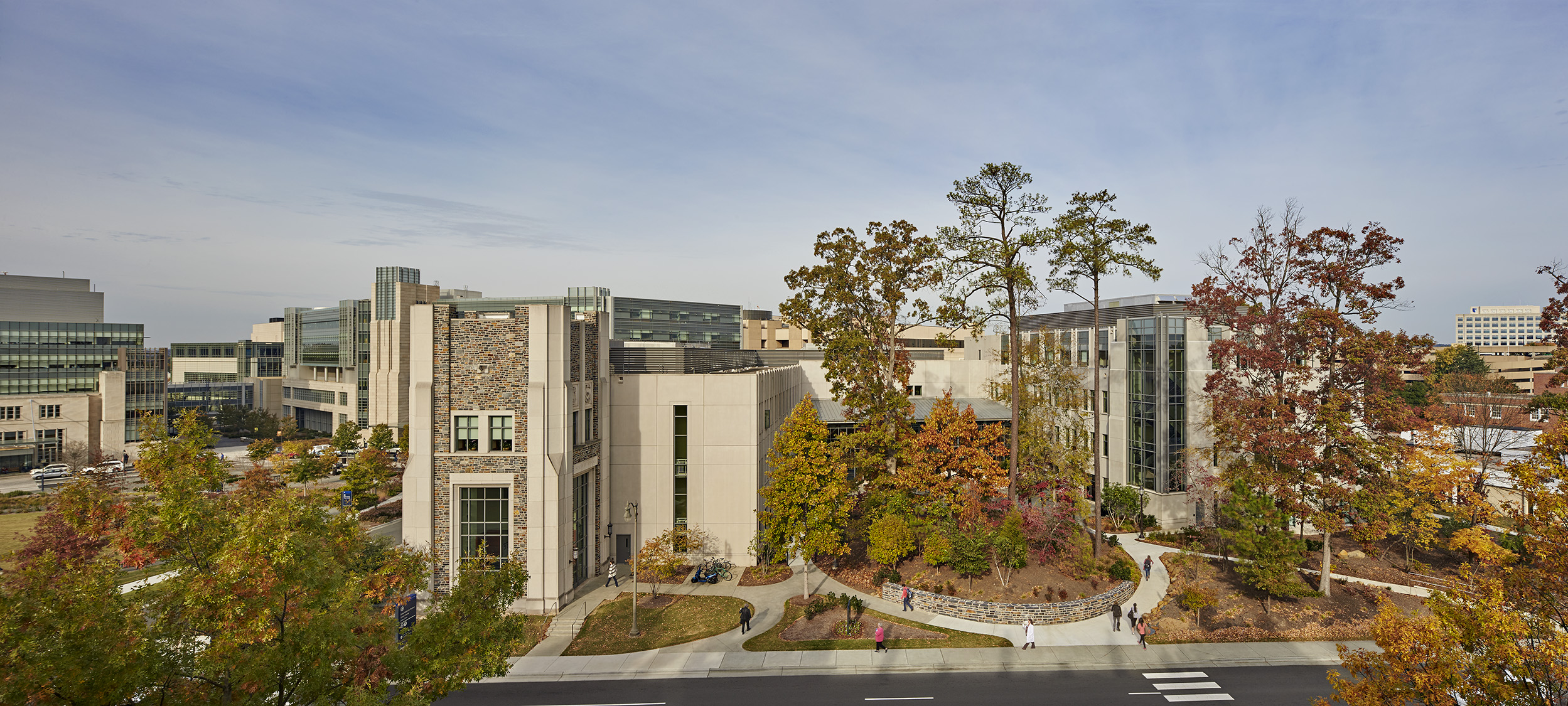
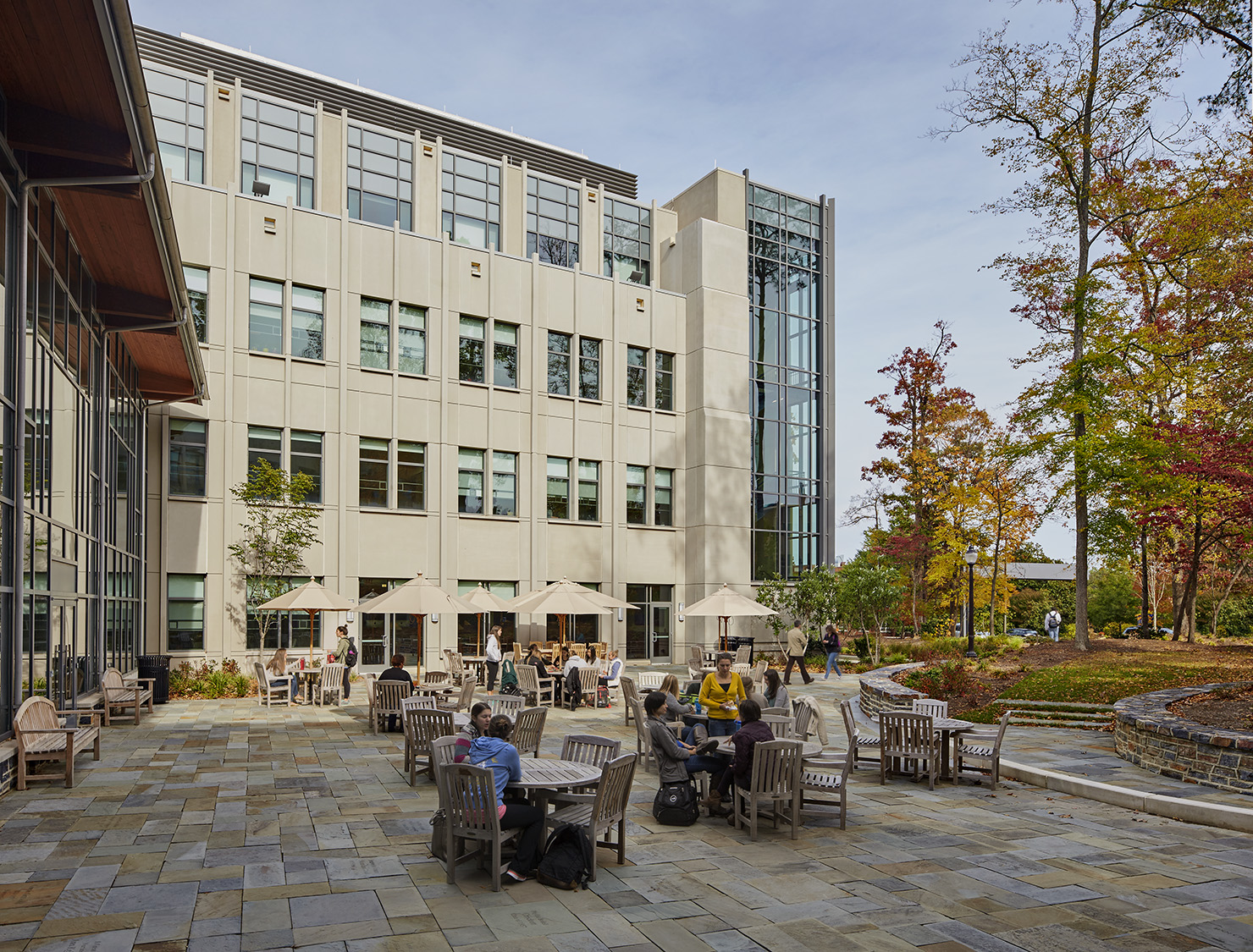
Duke University’s Christine Siegler Pearson School of Nursing is a two-phase academic complex totaling 116,800 square feet, designed to unite the university’s nursing programs and support significant enrollment growth. Situated on a wooded two-acre site within the Duke University Medical Campus, the building reinterprets the campus’s collegiate Gothic character in a contemporary form while providing a high-performance home for one of the nation’s most respected nursing schools.
The first phase consolidated programs previously dispersed across the campus into a single facility, establishing a cohesive identity and expanding Duke’s capacity for advanced nursing education. Five years later, soaring enrollment and program expansion drove the need for a major addition, creating a U-shaped composition around the landscaped courtyard and further strengthening academic and clinical connectivity.
A Flexible, Technology-Rich Environment for Modern Nursing Pedagogy
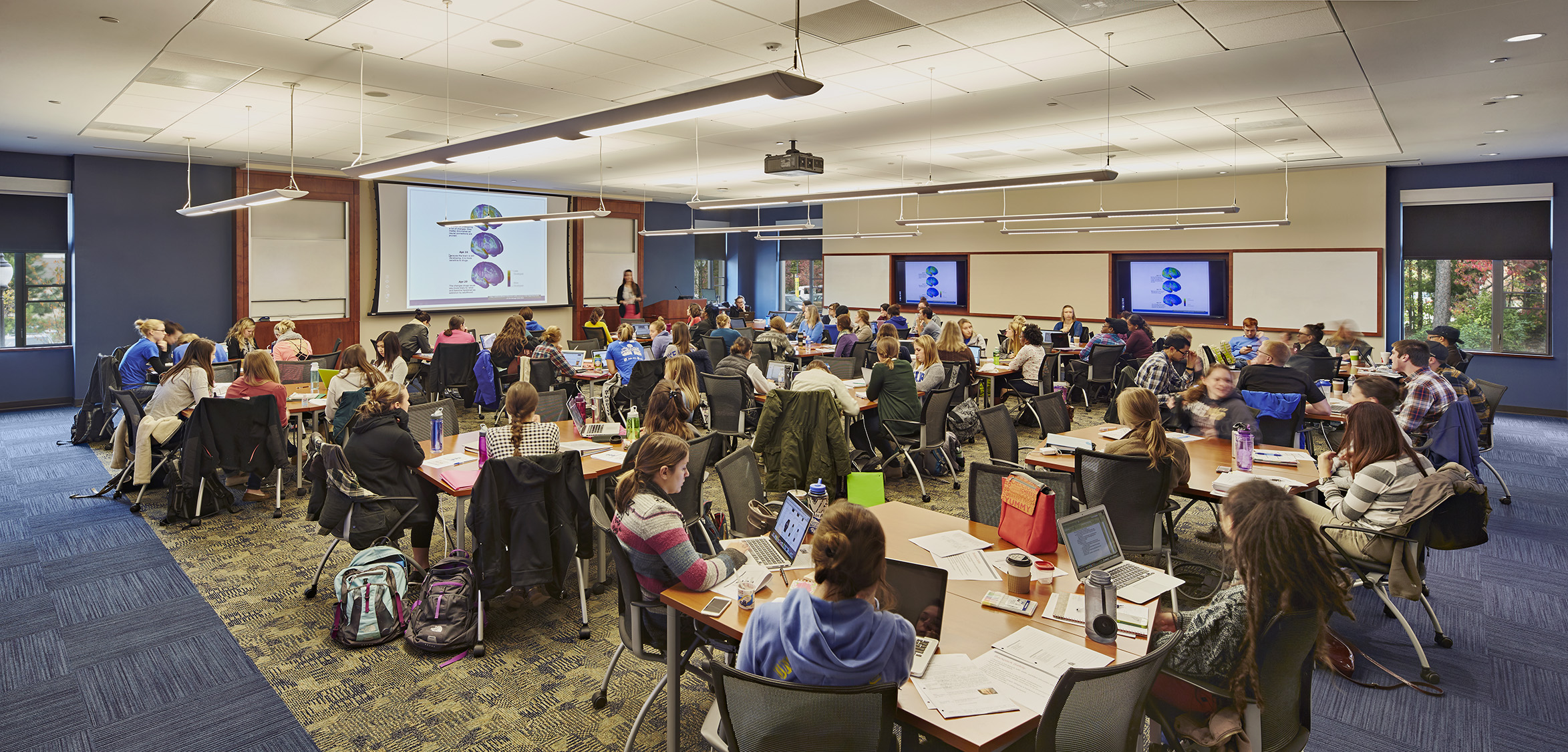
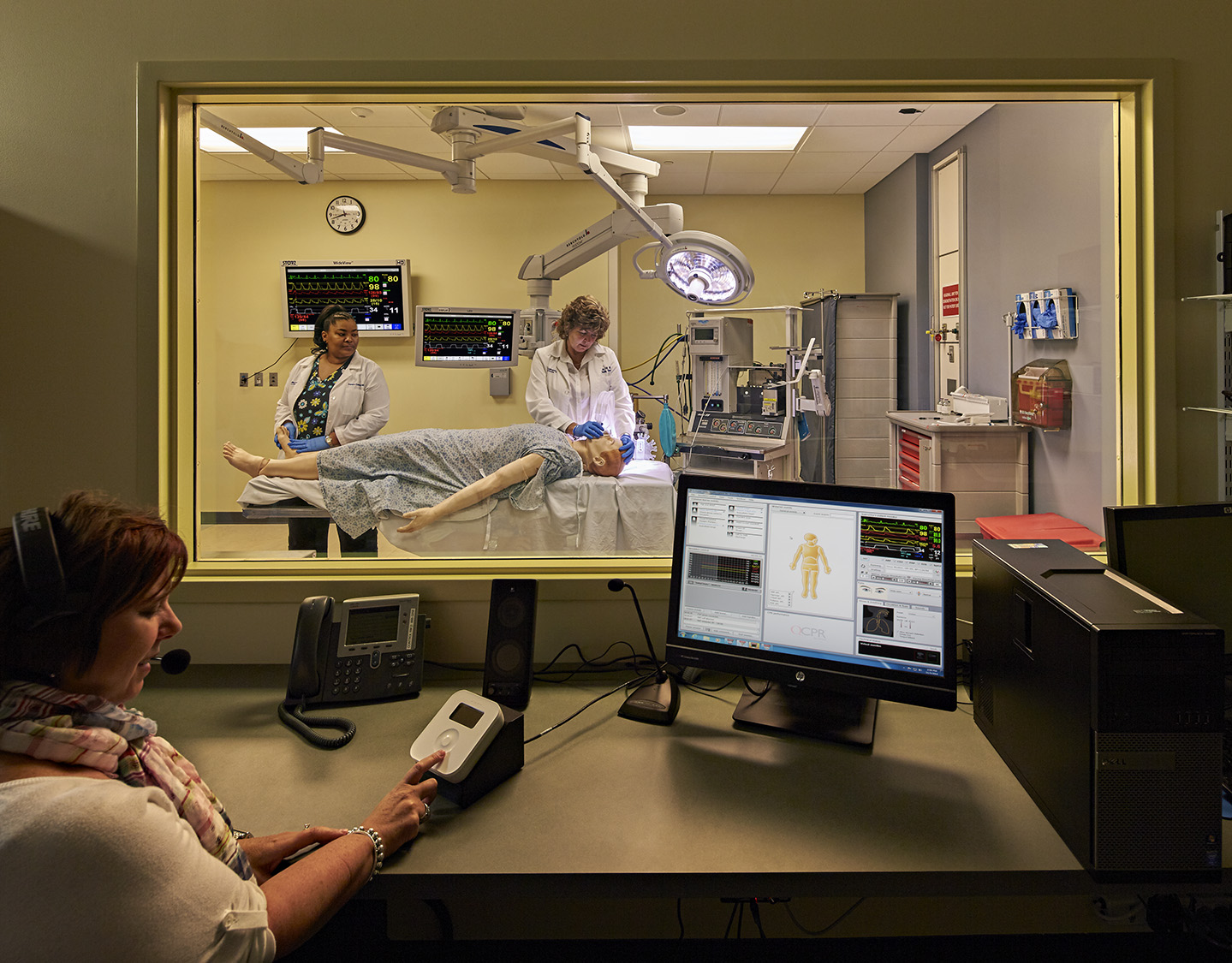
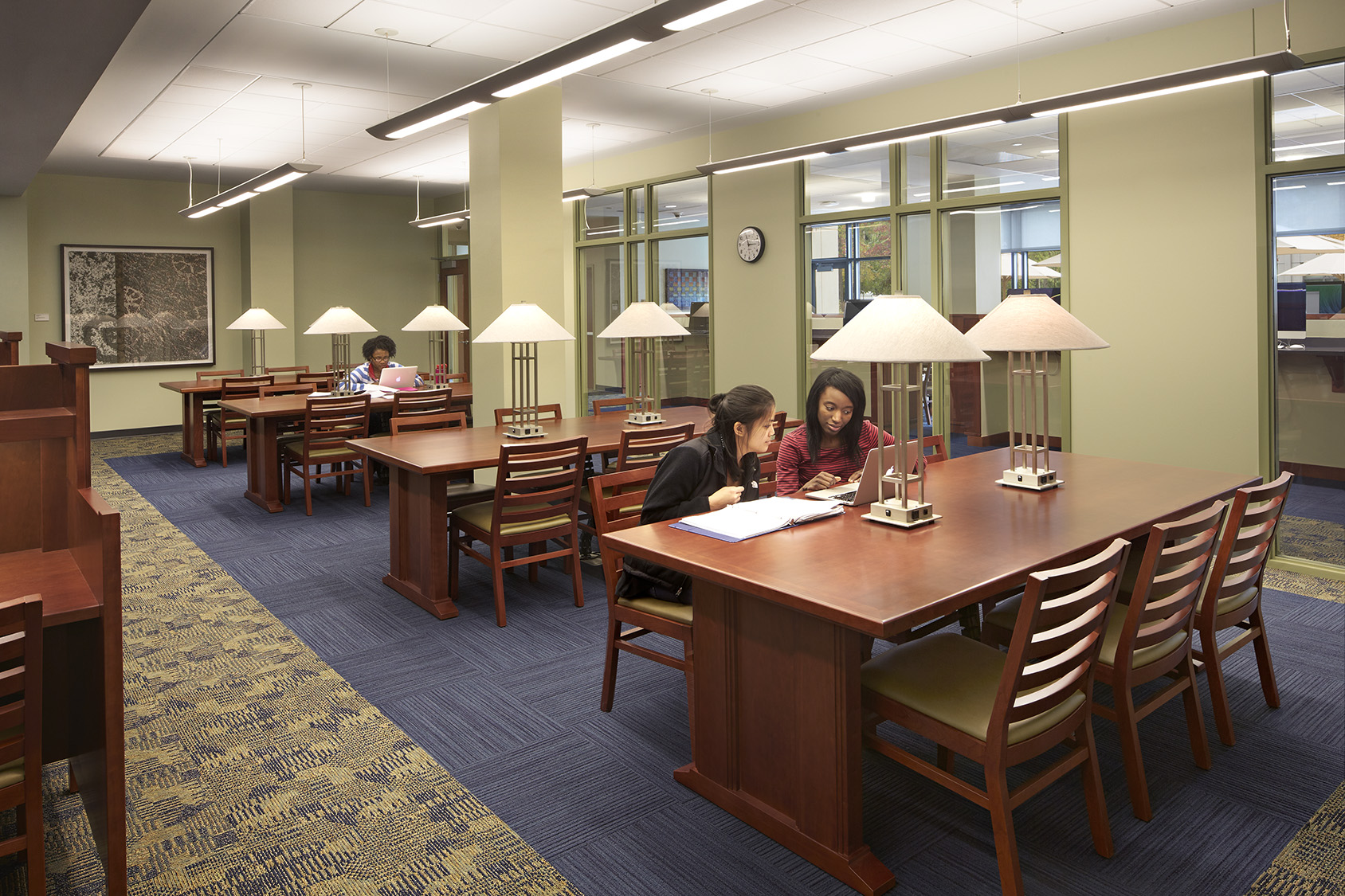
The Pearson Building supports a wide spectrum of teaching and clinical environments, including an auditorium, case-study rooms, flat-floor flexible classrooms, and a range of specialized clinical learning suites. Skills labs and a full simulation suite are centrally located, providing immersive learning environments equipped with advanced patient simulation, data-driven instruction tools, and distance-learning technologies.
The Phase Two expansion added 45,000 square feet of classrooms, instructional labs, and additional nursing skills and simulation environments. Large classrooms pair with smaller seminar rooms to accommodate evolving teaching methods and curricular requirements. The Health Innovation Lab, standardized patient spaces, and new PT/OT skills labs further enhance experiential learning and interprofessional collaboration across health disciplines.
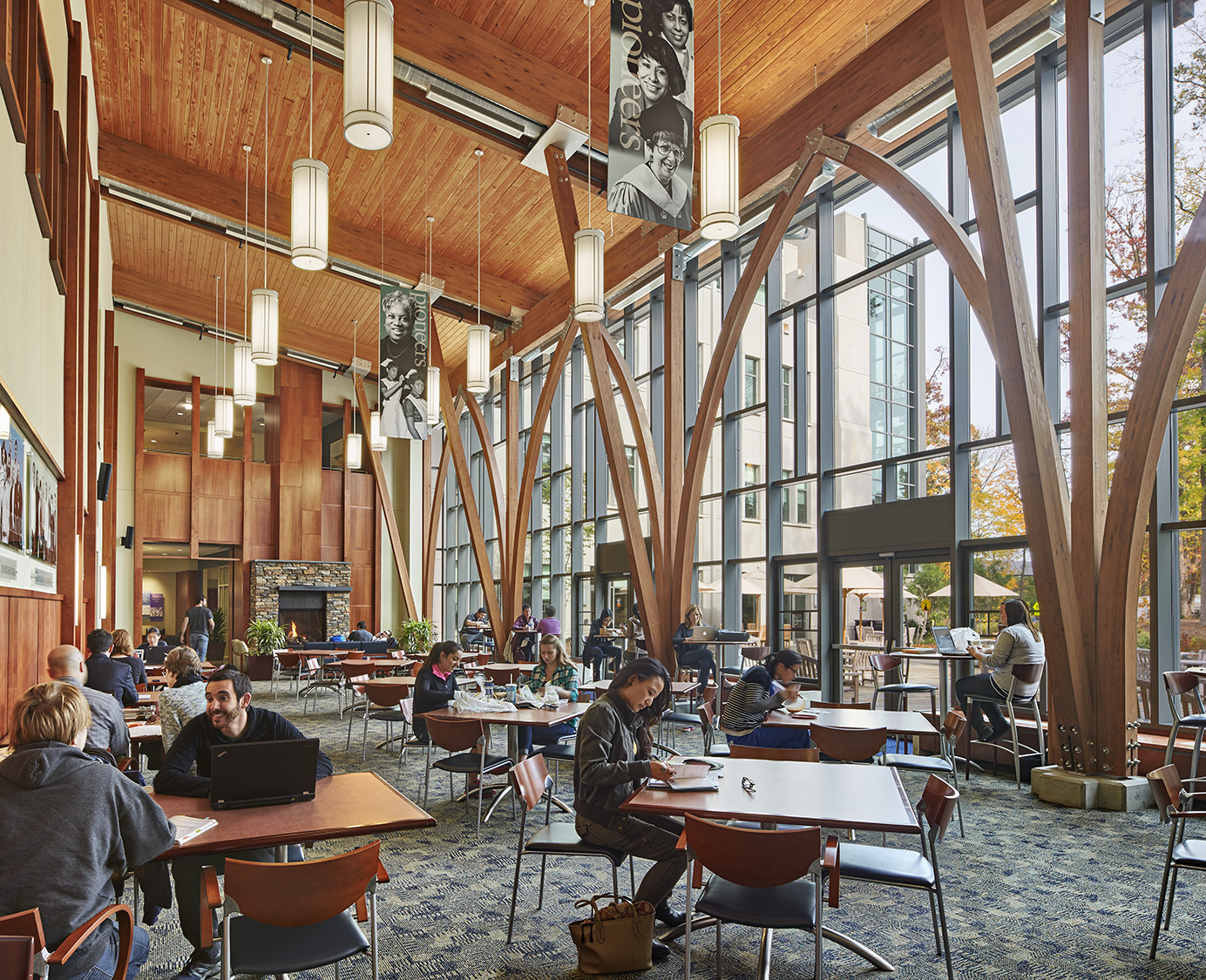
Student wellness and community are central to the design. A two-story commons—often described as the school’s “living room”—overlooks the surrounding forest, providing a light-filled gathering space for social interaction, study, and informal learning. Breakout rooms, quiet study areas, and outdoor terraces further strengthen the building’s collaborative culture.
High-Performance MEP Systems Supporting Simulation, Growth, and Flexibility
In collaboration with Ayers Saint Gross, Mueller Associates designed the mechanical, electrical, plumbing, and fire protection systems across both phases to support the building’s advanced simulation, instructional, and research functions. Key elements of the MEP design include:
-
Flexible HVAC zoning for classrooms, skills labs, and simulation environments
-
Precise ventilation and pressurization to support clinical and simulation spaces
-
Robust electrical infrastructure powering medical simulation equipment, distance-learning technologies, and high-density instructional environments
-
Water-efficient and durable plumbing systems serving specialized clinical labs and learning suites
-
Integrated fire protection systems designed for safe operation in densely programmed academic and clinical spaces
These systems provide long-term adaptability, operational efficiency, and the environmental conditions required for cutting-edge nursing pedagogy and interprofessional training.
Read more about Mueller’s work at Duke’s School of Nursing in our newsletter Momentum.
Sustainability
LEED Silver
Consulting Services
- HVAC Systems
- Electrical Power
- Fire Alarm & Detection
- Fire Protection
- Lighting Design
- Plumbing Systems
- Sustainable Design
Architect
Ayers Saint Gross
Client History
-
2019
Center for Interprofessional Education and Care
-
2017
Rubenstein Arts Center
"By educating the next generation of nursing leaders, the Duke University School of Nursing is poised to shape the future of health and medicine."Richard H. BrodheadFormer President, Duke University
Related Projects


Connect With Us

Gain Momentum
Our industry newsletter, Momentum, highlights projects, clients, and MEP and fire protection engineering trends